Key West, Florida
by Jeffery W. McKelroy
On warm nights in Key West, when Duval Street glows beneath strings of light and the scent of salt and cigars drifts through the air, the old La Concha Hotel still watches over the island like a grand dowager who has seen everything.
She was born in the roaring 1920’s, when Key West was transforming from a rough seaport into a tropical destination for dreamers, gamblers, writers, and wanderers. The railroad of Henry Flagler had finally connected the island to mainland Florida in 1912, and suddenly the southernmost city in America no longer felt so distant. Wealthy visitors arrived seeking winter sunshine and Caribbean glamour.
Into this moment stepped developer Carl Aubuchon, who imagined something Key West had never seen before: a towering luxury hotel rising above the island’s small wooden houses. In 1926, after nearly one million dollars in construction costs, La Concha opened its doors. It boasted marble floors, private baths, steel-beam construction, and one of the island’s first electric elevators. Seven stories tall, it dominated the skyline like a tropical palace. Locals stared upward in disbelief.
Visitors arrived in linen suits and silk dresses. Jazz drifted through the lobby. Ceiling fans stirred the humid air while bartenders poured rum into sweating glasses. The rooftop offered a view unlike anything else in Key West—a panorama of turquoise water, fishing boats, church spires, and sunset skies painted in orange and pink.
The Great Depression swept across America in 1929, and paradise was no shield against hardship. Tourism collapsed. Businesses failed. Hurricanes battered the Keys. La Concha struggled to survive as Key West itself fell into poverty. Yet somehow the hotel endured, weathering economic ruin and storms that might have erased lesser buildings from the island entirely, but by the 1940s and 1950s, the hotel found new life.
Writers loved Key West because it sat at the edge of America, far from expectations and close to freedom. Among them was Tennessee Williams, who reportedly worked on “A Streetcar Named Desire” while staying at La Concha. Ernest Hemingway spent time there too, beginning work on “To Have and Have Not” while looking out over the island he adored. Harry S. Truman and even Al Capone were counted among the hotel’s famous guests. For decades, La Concha became the living room of Key West society.
Tourists danced downstairs while locals gathered for drinks above Duval Street. Sailors wandered in from the harbor. Artists argued over politics and poetry in smoky corners. The island itself evolved around the hotel, growing stranger, freer, and more colorful with every passing decade, but age even catches up with legends.
By the 1970s, La Concha had faded badly. Paint peeled. Rooms sat empty. Parts of the building closed altogether. Some people wondered if the grand old hotel’s story was nearing its end. Yet in the 1980s, preservationists and investors saw what remained beneath the decay: history, character, and the spirit of old Key West. A major renovation restored the property, reviving its architecture and reopening it to travelers once more.
In 1991, the hotel earned recognition from the Historic Hotels of America for its cultural and architectural significance, and so La Concha survived into another century.
Today, visitors still walk through its doors from the chaos of Duval Street into a world where old Key West lingers beneath modern luxury. Recent renovations have polished the hotel again, blending contemporary style with echoes of the Jazz Age. Travelers sip mojitos on rooftop terraces while sunset light spills across the island just as it did a hundred years ago and yet the rumors of hauntings persist.
People in Key West will tell you that the old La Concha Hotel has always had ghosts. Not the theatrical kind from horror movies, nothing that jumps from closets or crawls across ceilings. The stories are quieter than that, stranger. The kind passed between bartenders after midnight or whispered by housekeepers who refuse to work certain floors alone.
One story has circulated for decades among hotel employees. It began during renovations in the 1980s, when parts of the aging hotel were being restored after years of decline. Construction crews worked late into the night tearing out old walls, replacing wiring, and reopening long-closed rooms. One laborer was assigned to work alone on an upper floor after midnight. According to coworkers, he radioed downstairs asking why a woman was wandering through the construction area. The night manager told him no guests were allowed upstairs. The worker insisted he had just seen a woman in old-fashioned clothing walk silently down the hallway and disappear around a corner. Annoyed, the manager went upstairs himself. No one was there. Both men reportedly noticed something odd; the smell of perfume lingering in the empty corridor. Not a modern perfume, something older, floral, like gardenias left too long in summer heat. The worker refused to continue alone.
The next night, another crew member claimed tools vanished repeatedly from a locked room and reappeared in places they had already searched. Then came reports of footsteps overhead when no one was on the floor above. The strangest incident happened a week later.
Two painters were finishing work near one of the old suites when they heard music drifting faintly through the hall. Jazz music. Thin and scratchy, like an old phonograph record. One of the men joked that somebody downstairs must have turned on a radio. But when they stepped into the hallway, the music stopped instantly. Then they saw her. At the far end of the corridor stood a woman wearing what looked like a pale blue 1930’s dress and heels. One painter later described her as “too clear to be a shadow, too strange to be real.” She wasn’t transparent; she looked solid, human. The woman stared at them for several seconds without speaking. Then she turned and walked calmly toward the elevator. The painters followed her. When they reached the corner, the hallway was empty. The elevator never moved. No doors had opened. There was nowhere she could have gone. Both men reportedly quit the project within days.
Since then, employees and guests have shared similar stories for years; elevators stopping on empty floors, phones ringing from vacant rooms, cold spots in locked hallways, and sightings of a woman dressed in vintage clothing near the upper floors.
Some believe the spirit may belong to a guest who died at the hotel long ago during Key West’s turbulent early decades, though no confirmed identity has ever been established publicly. There have been many deaths at the hotel. Most deaths have been suicides where guests have leapt to their deaths from the rooftop. Others were accidents, such as the employee who fell down the elevator shaft.
Others say La Concha simply absorbed the emotional weight of nearly a century of island history, hurricanes, heartbreak, drunken violence, lost love, suicides, and lonely travelers passing through beneath the glow of Duval Street.
Almost everyone who works at La Concha long enough eventually develops one rule:
If you hear footsteps behind you late at night in an empty hallway of La Concha…
Don’t turn around.
Maybe it is true and the building that survived hurricanes, depressions, literary legends, gangsters, tourists, and nearly a century of island nights has collected its ghosts in one way or another. La Concha, towering above Duval Street through every era of Key West history, will always be the repository of history, stories and the restless spirits that refuse to check out.
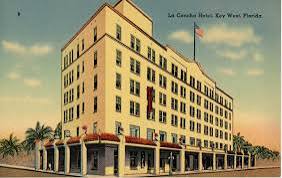
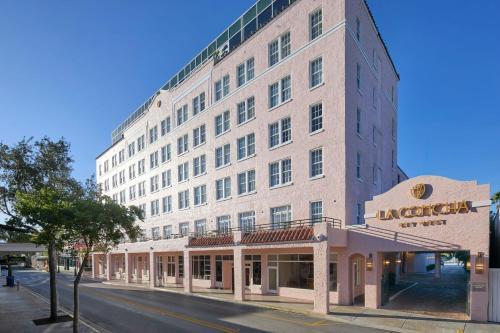
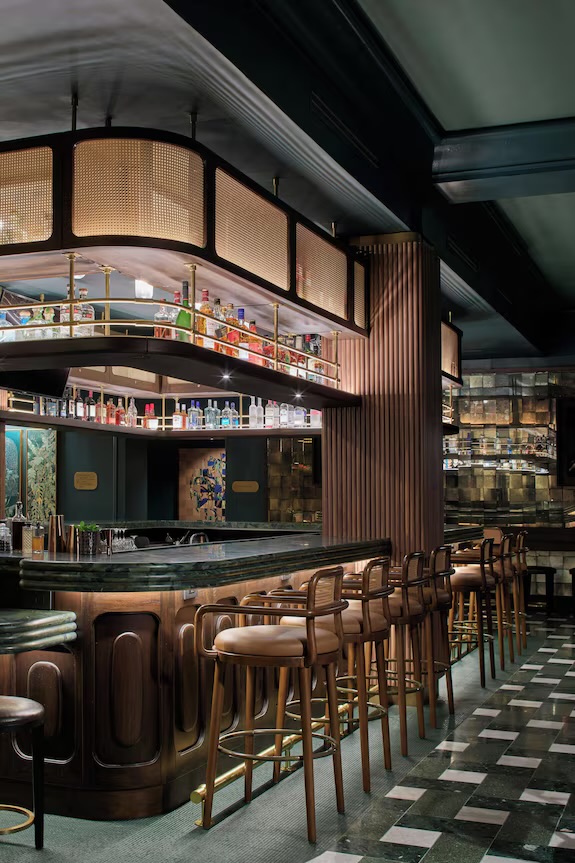
La Concha
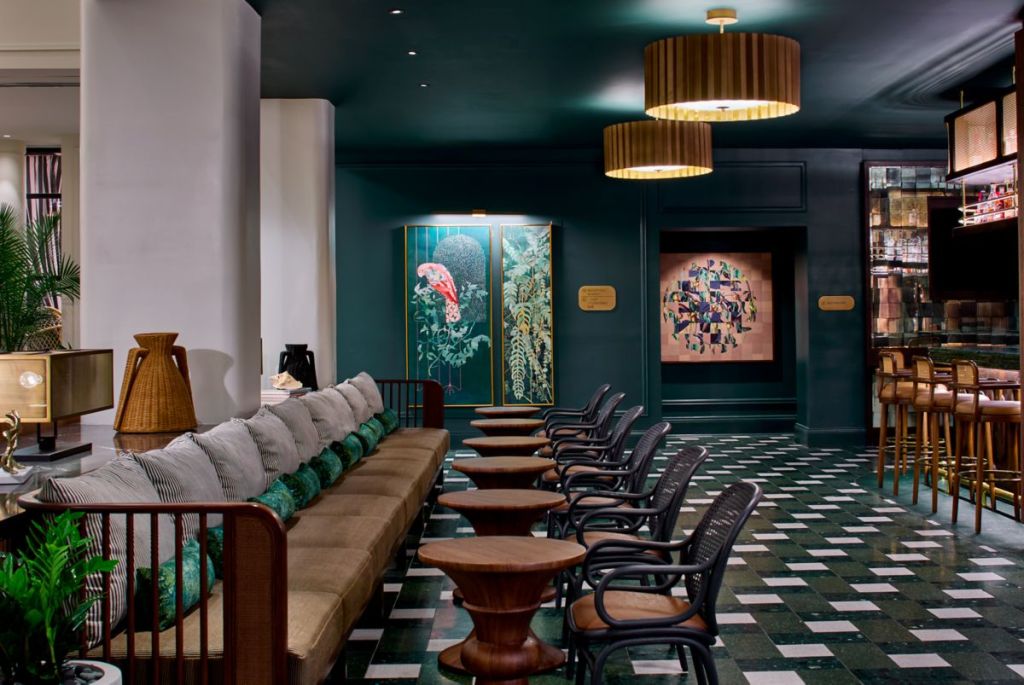
La Concha
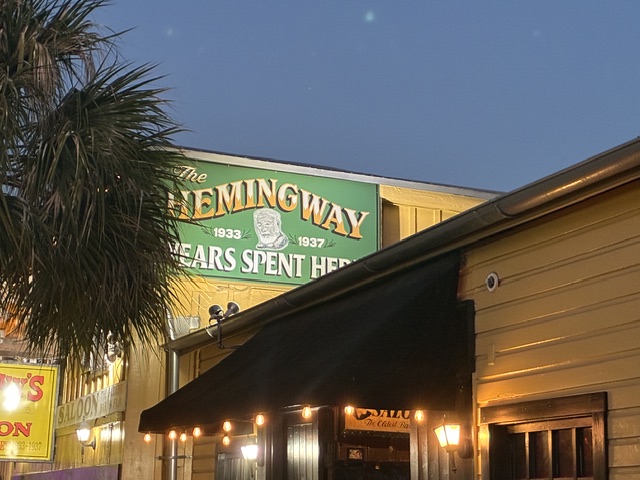
Captain Tony’s
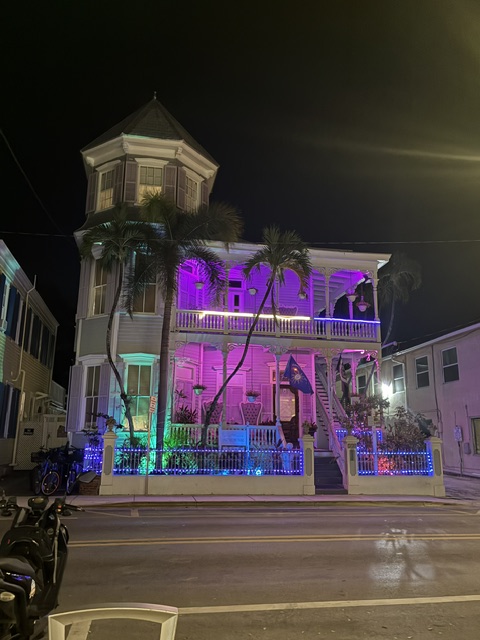
Key West at night
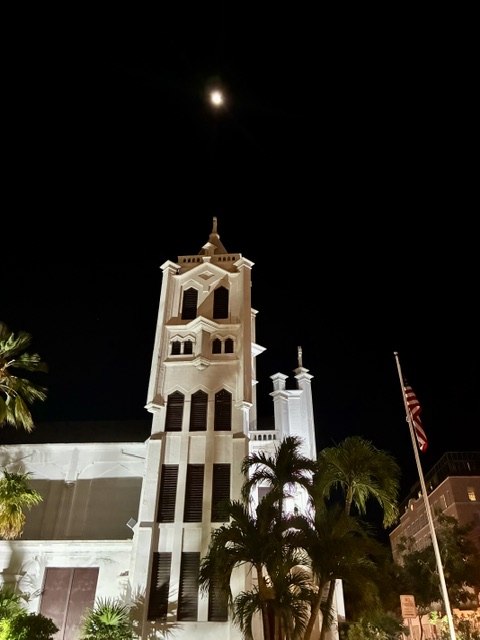
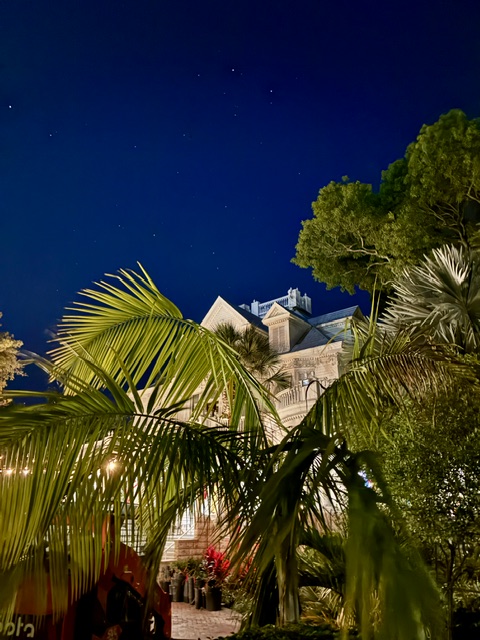
Key West at night
Make a one-time donation
Make a monthly donation
Make a yearly donation
Choose an amount
Or enter a custom amount
Your contribution is appreciated.
Your contribution is appreciated.
Your contribution is appreciated.


Leave a Reply